
Guest post by Dr Pyoung Jik Lee.
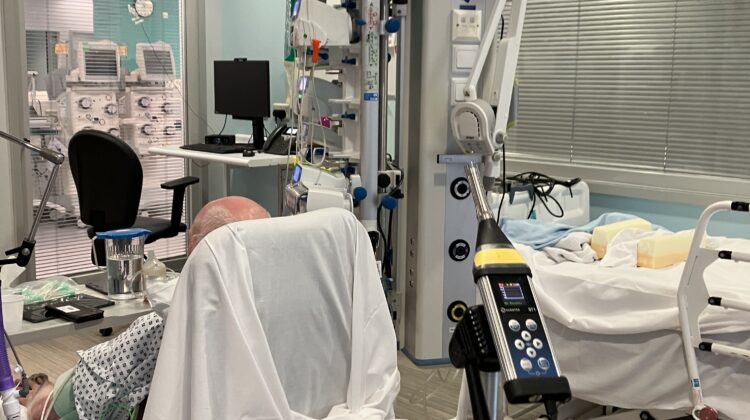
Close your eyes in an intensive care unit (ICU), and you will hear a strange kind of orchestra: the steady hum of a ventilator, the rhythmic beep of a monitor, footsteps on vinyl flooring, a phone ringing at a nurses’ station, and, somewhere in the background, two clinicians trying to have a conversation over all of it. For patients who are critically ill, often unable to move or speak, this soundscape is inescapable. My research group has spent the last few years measuring it, in the UK and around the world, and the numbers are alarming.
A global baseline for ICU noise
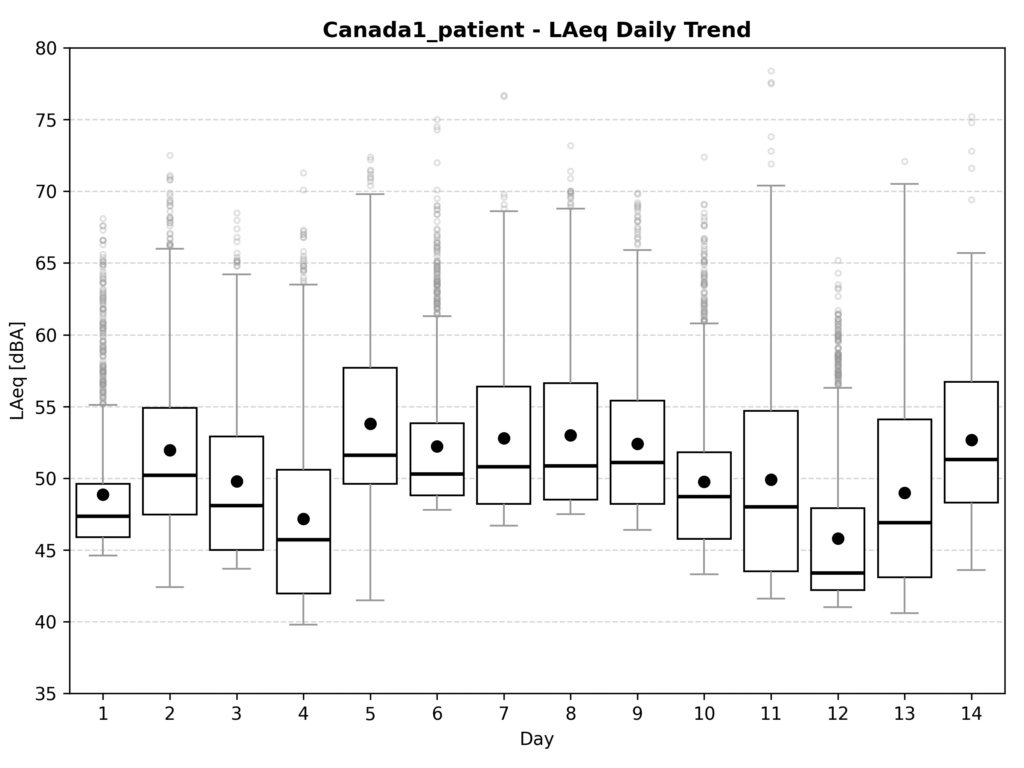
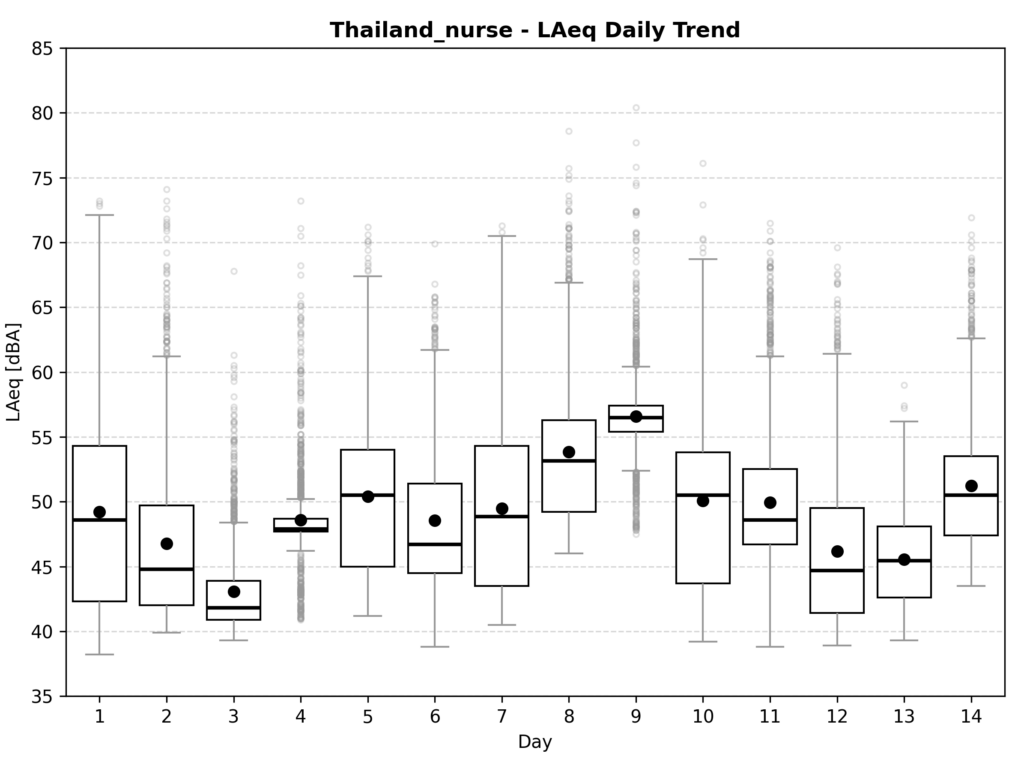
Earlier this year, my colleagues and I presented the results of the largest standardised ICU noise study to date at ICSV32 in Istanbul: two continuous weeks of Class 1 sound level measurements in 10 ICUs across eight countries, from Canada to Thailand. Every single one of the 19 measured locations exceeded the World Health Organization’s daytime guideline of 35 dBA – some by more than 25 dB. Average sound levels ranged from around 50 dBA at the quietest nurse station to 62 dBA at the busiest, and at the loudest sites, sound events above 70 dBA occurred in more than 65% of one-minute intervals.
What struck us most was not just how loud these units were, but how unpredictable they were. Some wards had a fairly stable noise level from day to day; others varied substantially, with peak levels regularly crossing 80 dBA and, at a few sites, 90 dBA. A single 24-hour snapshot – the norm in much of the earlier literature – simply cannot capture that variability.
What is actually making all that noise?
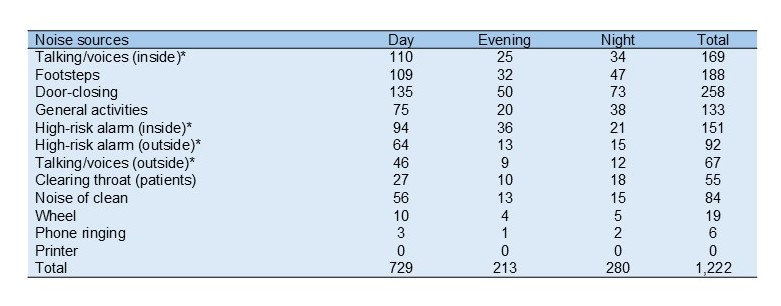
Averages and peaks only tell half the story – the more useful question for anyone trying to design a quieter ICU is: where is the noise actually coming from? In an earlier study across four Chinese ICUs, conducted during the COVID-19 pandemic, my colleagues and I logged noise events alongside sound pressure levels. Talking and voices were consistently the loudest and most frequent source, followed by door-closing, footsteps, and general activity such as cleaning. One unexpected finding was that footsteps became noticeably louder during the pandemic, simply because staff wore disposable plastic shoe covers over their normal shoes.
A recent UK cohort study from the Royal Liverpool University Hospital ICU took a different angle: rather than just tagging sounds by ear, the team cross-referenced the loudest moments against patients’ clinical records. The picture that emerged was one of care itself as a noise source – patient repositioning and personal care, medication administration, and suctioning were the most frequently documented causes of the loudest sound events, alongside procedures such as blood draws.
Taken together, these studies point to a slightly uncomfortable conclusion: much of the noise in an ICU is not a design flaw or a faulty alarm, but simply what it sounds like to deliver round-the-clock critical care. That does not mean it is unavoidable, but it does mean solutions need to go beyond quieting individual devices.
Why it matters
The risks are well documented. Sleep disturbance from noise is linked to delirium in mechanically ventilated patients, a condition that independently increases mortality and length of stay. For staff, the same soundscape has been tied to elevated stress, burnout, and even voice strain from talking over background noise for entire shifts. None of this is unique to one hospital or one country – our multi-national data shows it is a shared, structural feature of critical care wherever it is practised.
Where next
Acoustic design has a real part to play here – absorptive ceilings and wall finishes, better-fitted doors, and enclosures or curtains around bed spaces can all reduce reverberant build-up and how far sound from one bed space travels to the next. But our data suggests bigger gains may come from combining that with organisational change: smarter, less trigger-happy alarm settings, staff communication habits, and designing ICU layouts so clinically necessary noise at one bedside doesn’t carry across the whole ward. We are continuing to work with clinical teams internationally to test which combinations actually move the needle.
Author:
Dr Pyoung Jik Lee (Senior Lecturer)
Acoustics Research Unit, School of Architecture, University of Liverpool
Further reading: